
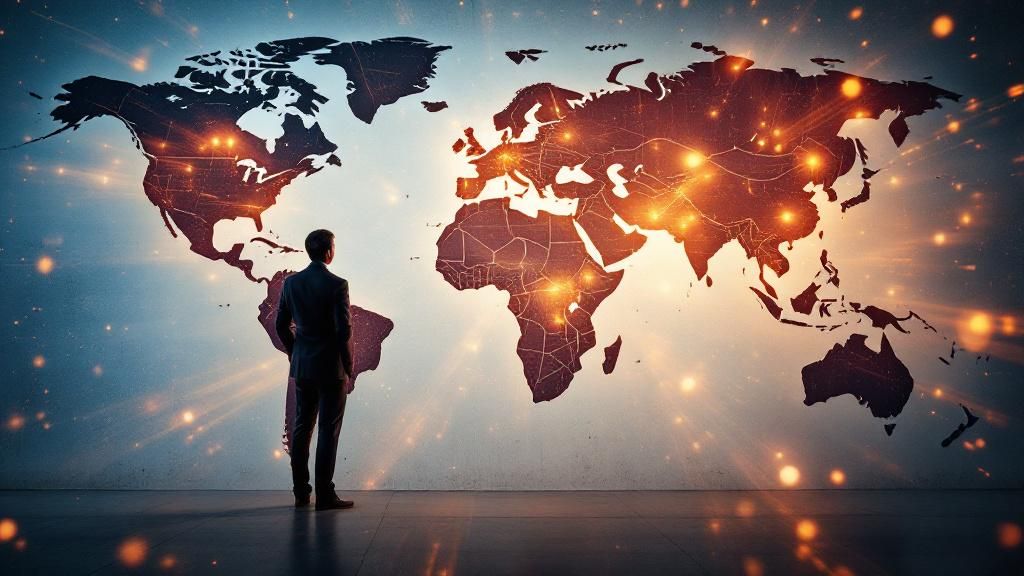
The global art world is experiencing a considerable transformation as modern galleries increasingly recognise the need of promoting overlooked voices. From emerging talents in Africa and South America to established artists from marginalised groups, institutions across the globe are actively diversifying their collections and exhibition schedules. This article investigates how major institutions are transforming their exhibition approaches, the difficulties they encounter in obtaining genuine pieces, and the profound impact these initiatives are having on artists and audiences alike, ultimately reconceptualising what modern art represents today.
Worldwide Change in Art Gallery Representation
The current art landscape is witnessing a substantial change as major galleries worldwide recognise their longstanding gaps in inclusivity. Institutions that once dominated Western-centric narratives are now carefully reviewing their collections and exhibition strategies. This movement reflects broader societal demands for diversity and acknowledgement of artistic ability that continues to exist outside conventional institutional spaces. Museum institutions and commercial galleries are allocating funding into uncovering and supporting creatives from historically excluded groups across the African continent, Asia, Latin America, and elsewhere.
This crucial change extends past basic tokenism or superficial gestures in the direction of genuine systematic reform. Galleries are setting up dedicated acquisition budgets expressly set aside for underrepresented artists, whilst concurrently revising their advisory boards to incorporate curators and experts from varied backgrounds. The movement signifies a recognition that artistic excellence thrives globally, not simply within established Western institutions. By widening their outlook and deliberately seeking out neglected talent, present-day galleries are substantially redefining the narrative of what represents significant modern art in the twenty-first century.
New Markets and Fresh Perspectives
Emerging markets across Africa, South Asia, and Latin America are producing remarkable present-day artists whose work merits international recognition. Galleries are increasingly establishing collaborations with local institutions and independent curators in these regions to discover promising talent. This partnership model ensures cultural integrity and respectful engagement whilst giving practitioners unprecedented opportunities to exhibit their work on international platforms. The result has been a remarkable influx of new viewpoints challenging conventional artistic paradigms and expanding the boundaries of contemporary practice.
Emerging artists from historically underrepresented regions are achieving visibility through strategic gallery initiatives and dedicated exhibition programmes. These emerging voices bring distinctive cultural stories, innovative techniques, and thought-provoking viewpoints shaped by their distinctive geographical and social contexts. Forward-thinking institutions recognise that supporting emerging artists enhances the broader landscape of modern artistic practice. By offering exhibition spaces, mentorship, and commercial opportunities, institutions are developing future leaders of significant creative voices whilst also enhancing their own collections with genuine pieces of cultural importance.
Organisational Dedication to Inclusivity
Leading contemporary galleries have formalised their dedication to diversity through broad organisational policies and clear targets. Many establishments now publish annual diversity reports documenting their acquisition patterns, show calendars, and staff composition. This transparency efforts demonstrate sincere devotion to systemic change rather than performative gestures. Galleries are funding employee development, intercultural training, and community involvement programmes to ensure their complete organisations represent and appreciate the diverse artists they represent. Such institutional commitments signal a substantial transformation in how galleries undertake their curatorial responsibilities and public missions.
The financial commitment underpinning these inclusion programmes is significant and meaningful. Galleries are dedicating larger funding towards sourcing pieces from marginalised practitioners, backing scholarly and curatorial initiatives, and nurturing developing artists through grants and residencies. Educational programmes within galleries now actively highlight practitioners from varied backgrounds and their contributions to contemporary discourse. This layered systemic framework illustrates that advancing under-resourced practitioners is not just a values-based responsibility but a calculated priority in the sustained importance and cultural energy of current artistic organisations across the world.
Effects on the Art Market and Cultural Environment
The development of gallery holdings to feature underrepresented artists has fundamentally reshaped current art market dynamics. Collectors and institutions now consciously search for diverse voices, generating heightened demand for works by artists historically excluded by conventional galleries. This transition has increased valuations for many underrepresented creators, whilst simultaneously challenging established hierarchies that favoured male-dominated Western artists. As major auction firms and independent collectors acknowledge the financial and cultural significance of these collections, funding of underrepresented artists has become both ethically sound and commercially viable, opening fresh possibilities for new creators worldwide.
Culturally, this evolution has enhanced public awareness of contemporary art’s worldwide reach and relevance. Museums and galleries now display narratives that reflect diverse geographical origins, differing cultural outlooks, and lived experiences, deepening audiences’ interaction with artistic works. This inclusivity encourages dialogue between varied populations and builds recognition for cultural heritage long overlooked in Western institutions. Educational offerings linked to shows acquaint younger generations to underrepresented artists, creating basis for ongoing artistic recognition and market support. The broadening of cultural access has fundamentally altered how people understand creative value and cultural contribution.
Looking forward, these developments promise ongoing transformation within the art world. As galleries keep championing underrepresented artists, institutional practices will likely evolve further, encouraging structural change throughout the industry. However, maintaining authenticity whilst resisting superficial representation remains essential. Galleries must demonstrate real dedication rather than surface-level actions, fostering long-term relationships with artists and communities. This evolution represents not merely a passing phase but a vital reimagining of the modern art world, recognising global talent and ensuring future generations inherit a more equitable, inclusive artistic heritage.
